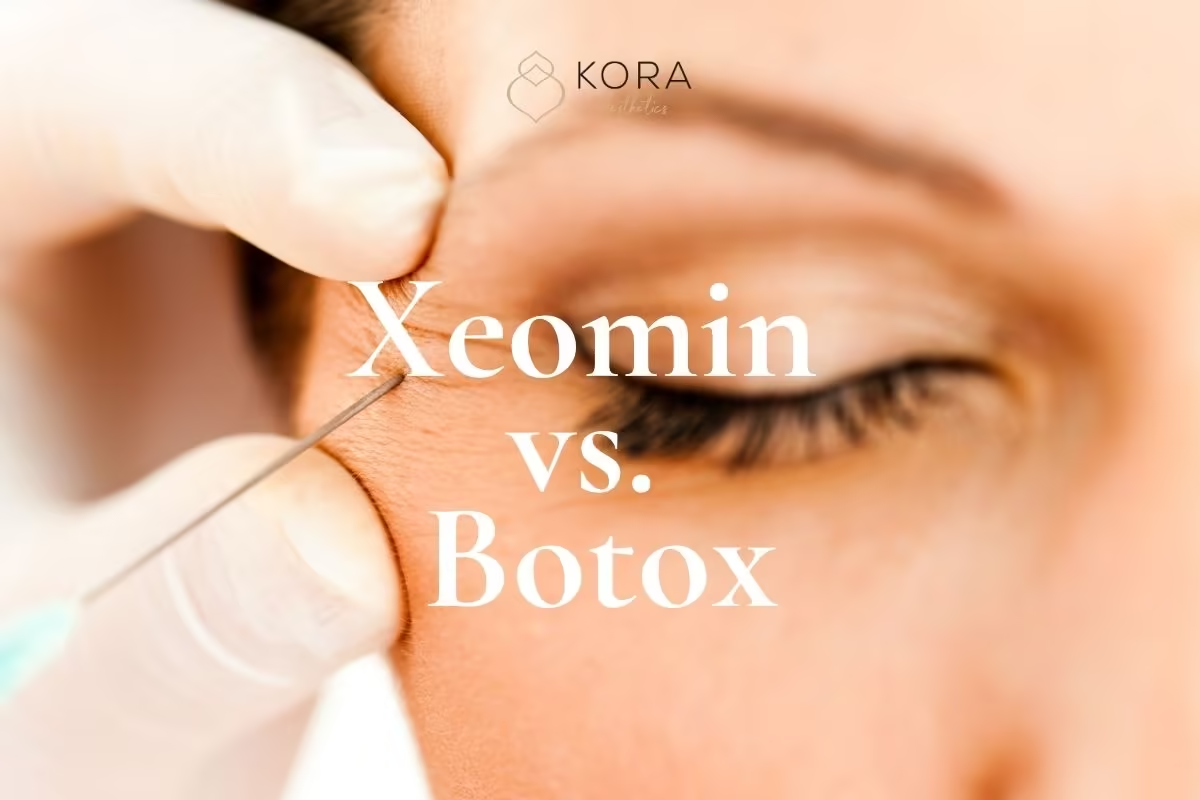
Before comparing the two: this article covers how Xeomin and Botox differ in general. If you are specifically looking to book Xeomin, check current availability when you contact us – Botox is confirmed on our treatment list.
What is actually different
Both are botulinum toxin type A, and both work the same way – blocking the nerve signal to a muscle. The difference people usually ask about is what is often called the “naked” toxin distinction: Botox contains accessory proteins alongside the active toxin, while Xeomin is manufactured without them, containing only the toxin itself.
In practical terms, this distinction is more relevant to manufacturing and theoretical long-term considerations than to how most people experience a single treatment. Onset, effect and duration are broadly comparable between the two for the average patient.
The antibody resistance claim
Xeomin is sometimes marketed on the idea that fewer accessory proteins mean a lower chance of the body developing resistance to the toxin over time. This is theoretically plausible and is genuinely debated in the clinical literature, but antibody resistance itself is uncommon for typical cosmetic dosing frequency, and there is not strong, settled evidence that this translates into a meaningful practical difference for someone getting occasional cosmetic treatment rather than frequent, high-dose therapeutic use.
A manufacturing detail, not a patient one
Xeomin can be stored at room temperature before it is mixed for use, while Botox requires refrigeration. This affects how a clinic handles and stores the product – it has no bearing on how the treatment feels or performs once it is actually injected.
Onset and duration
Both typically begin working within a similar window and reach full effect around two weeks, consistent with how Botox behaves generally. Duration for both averages 3 to 4 months. Individual factors – muscle strength, metabolism, treatment history – affect this more than which of the two products was used.
Myths worth dropping
- “Naked toxin means purer, which means better.”
- It means a different manufacturing process, not a universally superior result. Whether the accessory proteins matter for a given patient is genuinely debated rather than settled.
- “Xeomin definitely prevents resistance that Botox causes.”
- The theory is plausible, but strong, consistent clinical evidence for this being meaningfully different in typical cosmetic use is not settled.
- “They are basically identical, so it doesn’t matter which you get.”
- They are similar in outcome for most patients, but the manufacturing difference is real – it is a genuine distinction, just not one with a clear “always better” answer for typical use.
Questions people ask
Is Xeomin better than Botox?
Neither is universally better. They work similarly for most patients, with the main difference being Xeomin’s lack of accessory proteins, a distinction that matters more in theory than in most people’s day-to-day experience of treatment.
Does Xeomin last longer than Botox?
Duration is broadly comparable between the two, both averaging 3 to 4 months. Individual factors affect this more than the choice of product.
What does “naked toxin” mean?
It refers to Xeomin being manufactured without the accessory proteins that Botox contains alongside the active toxin.
Does Xeomin prevent Botox resistance?
This is a genuinely debated theory rather than settled fact. Resistance itself is uncommon at typical cosmetic dosing frequency for either product.
Questions about which option is right for you?
A nurse practitioner-led practice in Scottsdale, Arizona. Ask about current product availability when you book.