Your visit, safety and care
Medical Grade Skincare in detail
Medical-grade skincare is skincare with clinically meaningful strengths of active ingredients, in formulas tested as finished products and usually sold through medical practices. The FDA does not define or regulate the term. US law recognizes cosmetics and drugs, and some actives, such as tretinoin and hydroquinone, are prescription drugs; hydroquinone has needed a prescription since the 2020 CARES Act removed it from the over-the-counter monograph. So judge a product by what is in it and how it was tested, not by its label.
Four things separate a clinical product from a general one. Active concentration: a 0.25% retinol behaves differently from a 1% retinol. Stability: L-ascorbic acid (vitamin C) oxidizes in light and air, so packaging and pH decide whether it still works. Delivery: an active has to reach the layer of skin where it acts. Testing: clinical studies on the finished formula, not only on an ingredient in a laboratory.
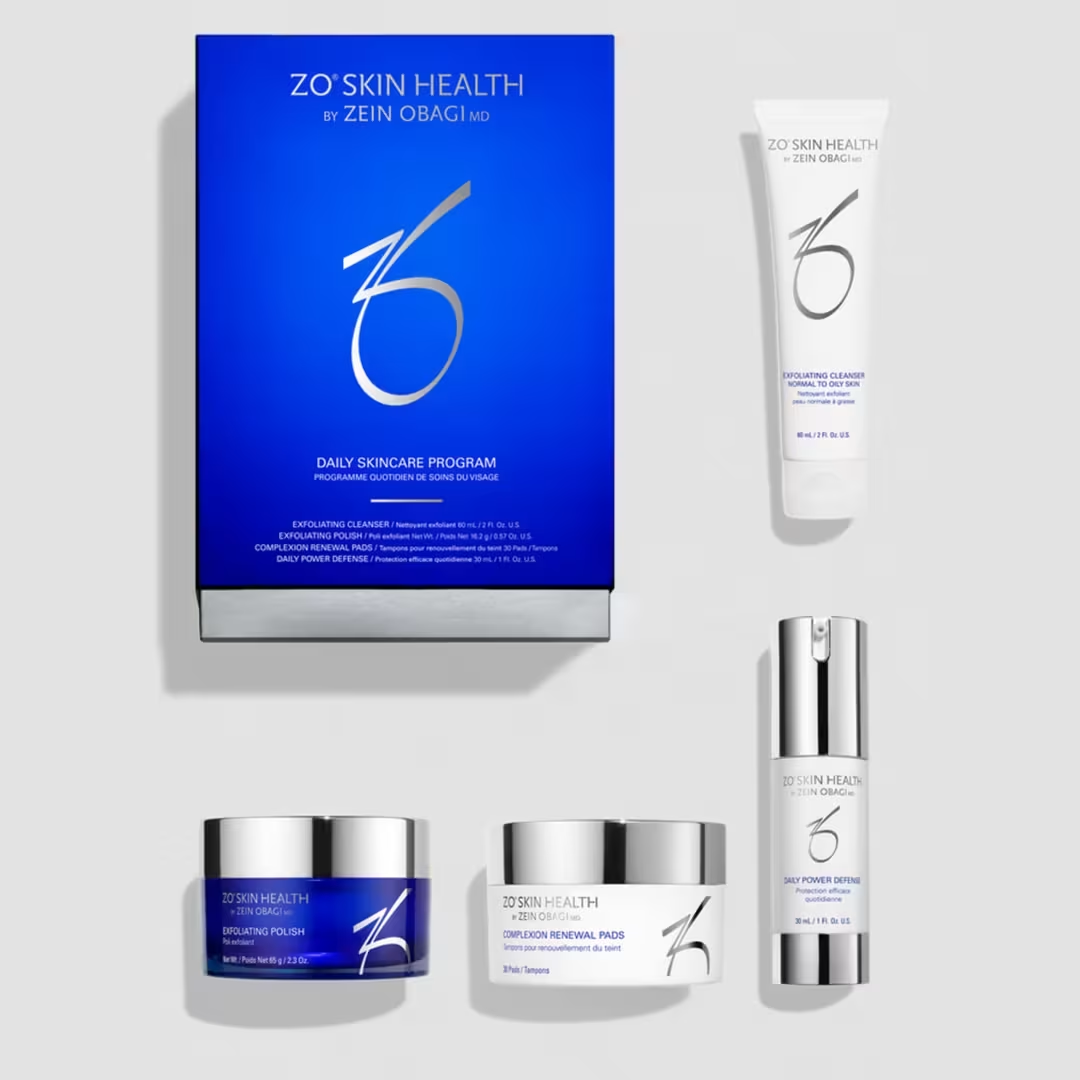
KORA carries ZO Skin Health and Skinbetter Science and is an authorized ZO Skin Health provider. Every regimen starts with a complimentary skin consultation and ends with a written morning and evening routine, usually three products to begin, chosen for your skin, your tolerance and the Arizona sun.
- Brands
- ZO Skin Health and Skinbetter Science; prescription tretinoin where clinically appropriate
- Results
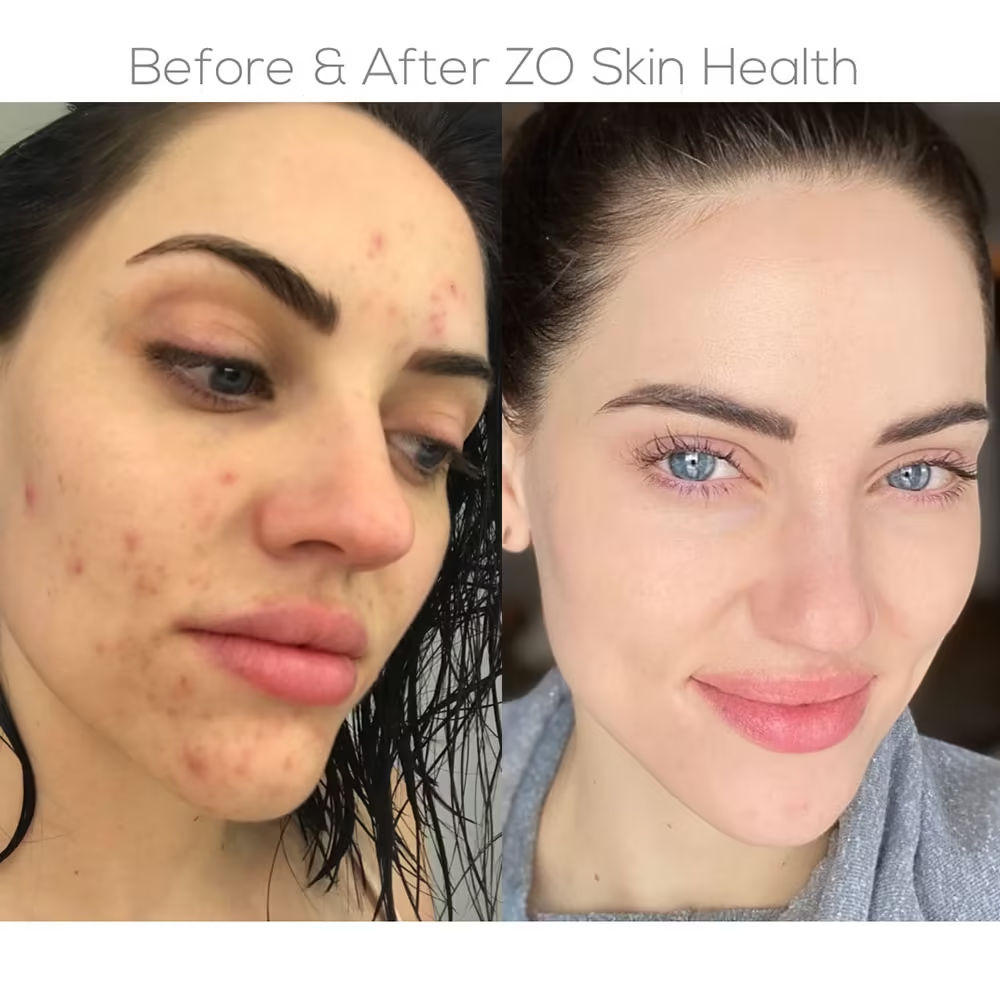
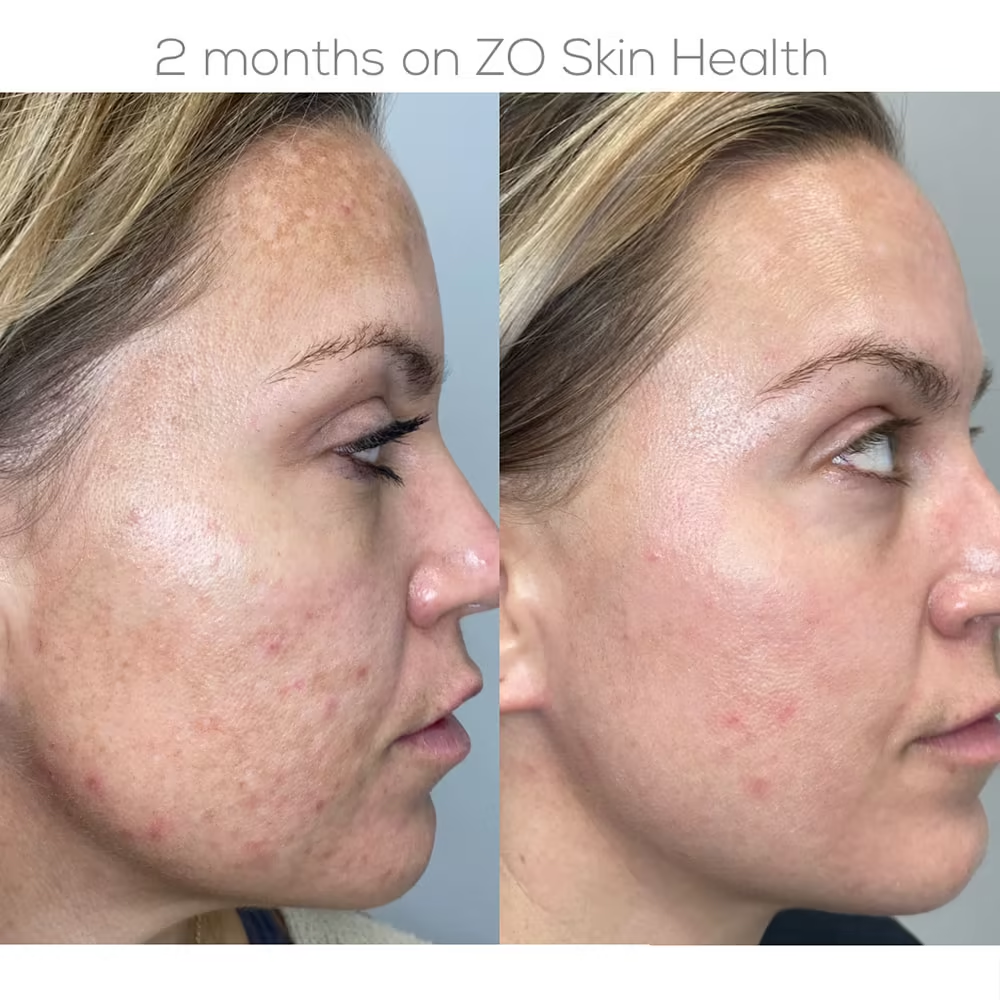
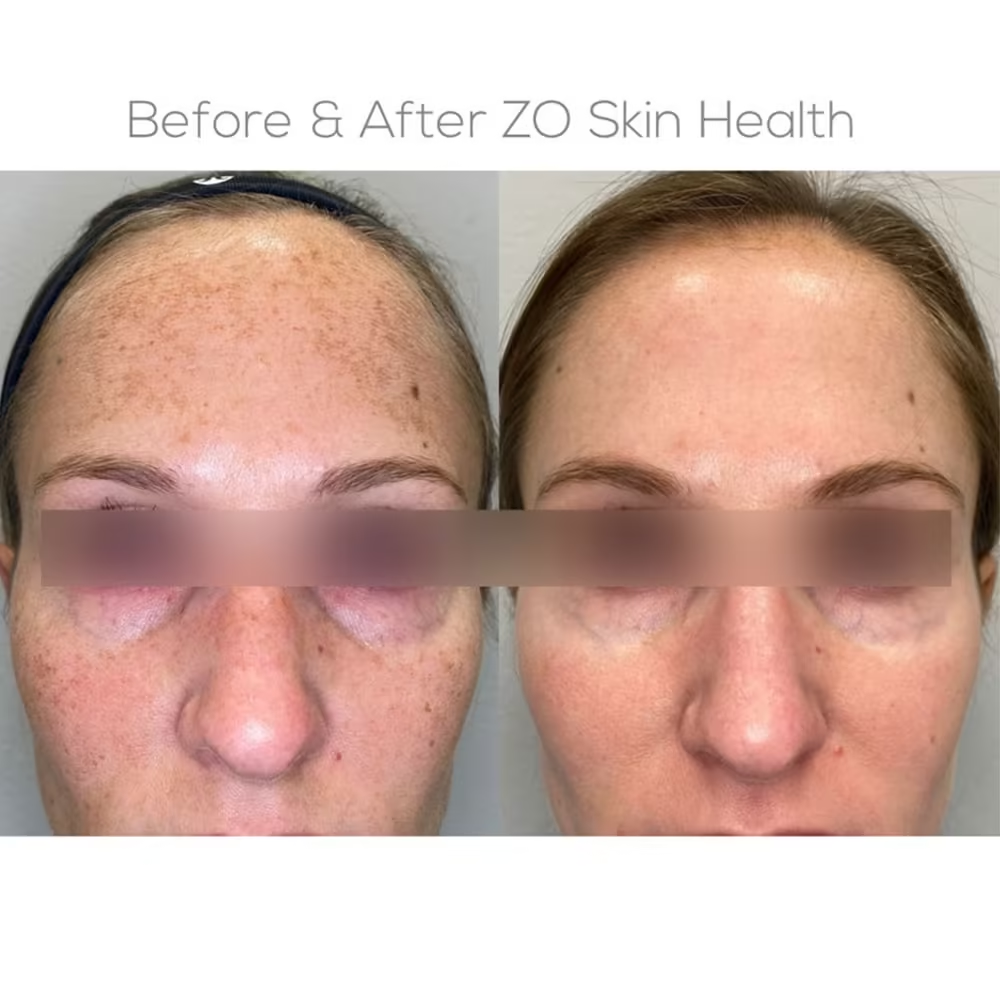
- Texture and tone from 4-6 weeks; pigment and fine lines from 8-12 weeks
- Starting regimen
- Usually three: cleanser, one active (often a retinoid), mineral SPF
- Consultation
- Complimentary, about 30 minutes, with a written regimen
“Start with three products you will use every day. Consistency does more than a long routine you give up on.”
Katie Manhardt, MSN, FNP-C, Founder
Eight key ingredients and what they do
Retinoids, vitamin C, pigment correctors, exfoliating acids, peptides, barrier repair and mineral SPF each target a different concern, from fine lines to melasma.
Your skin consultation and timeline
A 30-minute consultation reviews what you use now and ends with a written regimen, with texture changing at 4 to 6 weeks and pigment at 8 to 12.
ZO, Skinbetter and where medical-grade matters
ZO Skin Health is protocol-based with strong actives, Skinbetter tests finished formulas, and medical-grade makes the biggest difference for actives rather than basics.
What skincare does and where treatments help
Skincare improves tone, texture, pigment and barrier, while volume, movement lines and scar remodeling need a peel, microneedling or injectables.
See the full detail above
Starting your regimen and caring for your barrier
Add one active at a time, start retinoids two to three nights a week, use mineral SPF daily, and contact us for burning or a rash.
Medical Grade Skincare questions
What is medical-grade skincare?
Medical-grade skincare is skincare with clinically meaningful strengths of active ingredients, in formulas tested as finished products and usually sold through medical practices. The FDA does not define the term, so check what is in the bottle. A clinician also chooses strengths and pacing based on what your skin tolerates.
What are the best medical-grade skincare brands?
No single brand is best; the right one matches your skin and is one you will use daily. KORA carries ZO Skin Health, founded by dermatologist Dr. Zein Obagi and protocol-based with strong actives, and Skinbetter Science, which tests finished formulas clinically and makes AlphaRet for skin that finds retinoids irritating.
Where can I buy ZO Skin Health in Scottsdale?
Buy it from an authorized provider. KORA Aesthetics, at 10505 N 69th St in Scottsdale, is an authorized ZO Skin Health provider. ZO is sold through providers, so a skin assessment comes first; after that, products are available in clinic or through KORA's online shop.
How much does medical-grade skincare cost in Scottsdale?
Products are priced individually, with no kits or minimum; ZO Skin Health Firming Serum Accelerated, for example, is $75. A first regimen is usually three products. The skin consultation with a written regimen is complimentary, with no obligation to buy.
Is medical-grade skincare worth it?
For actives, generally yes. Retinoids, vitamin C and pigment correctors depend on concentration, stability and delivery, and tested formulas make a measurable difference. For sunscreen and basic cleansers, a good drugstore product often works well and can stay in your routine.
How many skincare products do I need?
Three, to start: a cleanser, one active for your main concern, and a mineral SPF. That is a complete regimen. Use those consistently for about eight weeks before adding a fourth, so you can see what each product does and your barrier stays calm.
How long does medical-grade skincare take to work?
Texture and brightness change at about four to six weeks; pigment and fine lines take eight to twelve weeks. Retinoids keep improving skin for six months and beyond with steady use. Judge a regimen at the eight to twelve week review, not in the first fortnight.
How do I start a retinoid without peeling?
Start slowly: a pea-sized amount on completely dry skin two or three nights a week, building up over four to six weeks. Pause exfoliating acids while you introduce it, and moisturize well. Some dryness in the first two weeks is normal; irritation past week four means the strength or frequency should change.
What does tretinoin do, and does it need a prescription?
Tretinoin speeds cell turnover and builds collagen, and yes, it needs a prescription in the US. It is the strongest topical retinoid, FDA-approved for acne and, in some formulations, for fine wrinkles, mottled pigment and roughness from sun damage. Expect dryness and flaking in the first weeks. A nurse practitioner can prescribe it where clinically appropriate.
Why does my vitamin C serum turn orange?
It has oxidized. L-ascorbic acid is unstable in light, heat and air, and once it turns orange or brown it is less effective and can irritate, so it is time to replace it. Opaque, airless packaging and the right pH help a vitamin C serum stay fresh.
Can I use retinol after Botox or microneedling?
After Botox, yes, usually from the next day; after microneedling or a peel, wait. Retinol does not change how Botox works, though a common suggestion is to skip it the evening of treatment while you avoid rubbing the area. After microneedling or a VI Peel, pause retinoids and acids for 5 to 7 days until it heals.
What SPF should I use in Arizona?
Use a broad-spectrum mineral SPF 30 or higher with zinc oxide every morning, and reapply every two hours outdoors or after sweating or swimming. With melasma, choose a tinted formula, because its iron oxides add protection against visible light. In this climate SPF is the base of every regimen.
Can skincare treat melasma?
Skincare can control melasma but not cure it, because it is chronic and tends to return. Pigment correctors such as hydroquinone, tranexamic acid and azelaic acid reduce melanin production, and daily tinted mineral SPF blocks the triggers. Combined with a VI Peel series, this is a common approach.
Should I change my routine in summer?
In Scottsdale, usually yes. Higher UV calls for more frequent SPF reapplication and often less exfoliation, because a calm barrier handles strong sun better and irritated skin pigments more easily. Regimens are adjusted between seasons, and winter is often the easier time to increase a retinoid.
Is skincare safe during pregnancy?
Some of it is. Retinoids, including retinol and tretinoin, are avoided in pregnancy, and hydroquinone usually is too. Because there is not enough safety data for several actives, the usual advice is to wait until after pregnancy and breastfeeding; mineral SPF and azelaic acid are often used instead. Tell us if you are pregnant, trying to conceive or nursing.
Can I keep my current products?
Often, yes. Bring everything you use, including products you have set aside, and each one is checked against your skin and goals. Good cleansers and sunscreens frequently stay. What usually changes is an active that is too strong, too weak or oxidized.
Do you treat patients from Paradise Valley?
Yes. KORA is on 69th Street just south of Shea Boulevard, inside Scottsdale and a few hundred yards from the Paradise Valley town line, so most of Paradise Valley is a 5 to 10 minute drive. The practice also serves North Scottsdale, Arcadia, Phoenix, Cave Creek and Fountain Hills.
Where in Scottsdale is KORA Aesthetics?
KORA Aesthetics is at 10505 N 69th St, Suite 1300, Scottsdale, AZ 85253, on 69th Street just south of Shea Boulevard, with free private parking. The practice is appointment only. Book a complimentary skin consultation online or call (480) 630-7566.