
VI Peel Precision Plus | Chemical Peel | Scottsdale, AZ
VI Peel Chemical Peel in Scottsdale
Our VI Peel chemical peel in Scottsdale is the Precision Plus, a medium-depth peel for sun spots, melasma, post-acne marks and uneven tone, labeled safe for all skin types. A 30-minute peel at KORA costs $349, aftercare kit included. Results show within a week and last with SPF and maintenance peels. A nurse practitioner performs every peel.
- Performed by a nurse practitioner
- Labeled for skin types I-VI
- Aftercare kit included
- Complimentary consultation
- Per peel
- $349
- Appointment
- About 30 minutes
- Peeling
- Days 3-7
- First results
- Within 7 days
About the treatment
What is a VI Peel?
A VI Peel is a medium-depth chemical peel by VI Aesthetics. KORA uses Precision Plus, formulated to lift existing pigment and slow new melanin, with several days of peeling instead of weeks of healing.
What VI Chemical Peel is
- A medium-depth peel that reaches pigment light peels miss
- Formulated to slow new pigment as well as lift existing pigment
- Tolerable: a few minutes of tingling and warmth, no needles
- Most effective as a series, with maintenance afterward
What VI Chemical Peel is not
- A volume treatment or a fix for deep wrinkles at rest
- A cure for melasma, which is chronic and managed over time
- Free of downtime: expect visible peeling for several days
- A substitute for daily sun protection in the Arizona sun
How it works
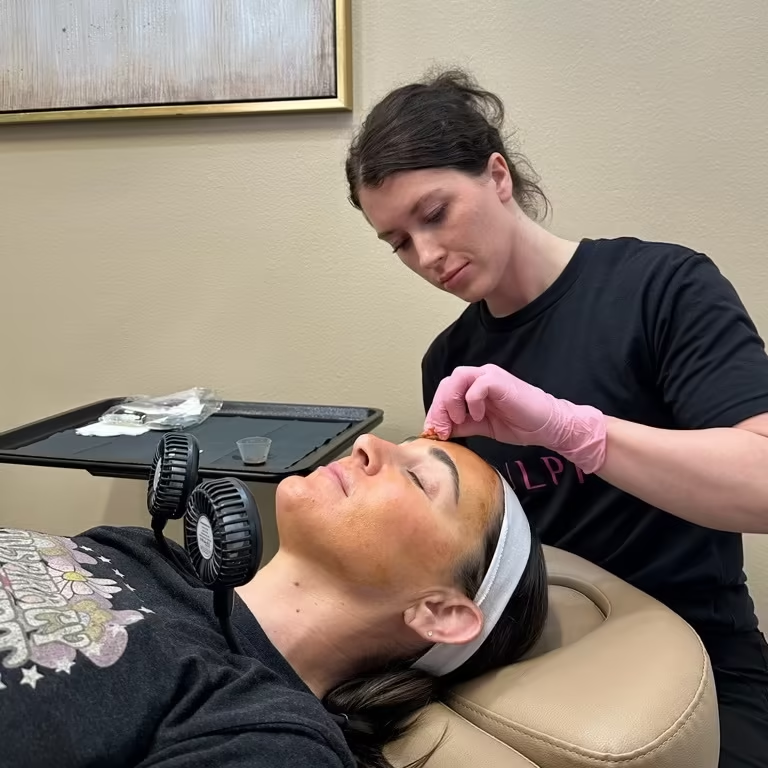
- The solution is applied in layersSkin is cleansed and degreased so the peel absorbs evenly, then the solution is applied in layers, with the skin checked between each. You feel tingling and warmth for a few minutes.
- Bonds between surface cells loosenThe peel loosens the bonds holding dull and pigmented cells at the surface. It is self-neutralizing and stays on for four to five hours after you leave.
- New pigment production slowsPrecision Plus is formulated to suppress melanogenesis, the process melanocytes use to make pigment. That targets where pigment comes from, not only how it looks, which is why this version is used for melasma.
- The outer layers shedPeeling starts around day three and finishes by day five to seven, usually beginning around the mouth and nose. It is fine flaking rather than sheets. Let it come off on its own.
- Fresh skin, built on over a seriesBrighter, more even skin is underneath. Each peel in a four-week series removes more pigment, and the renewal encourages new collagen in the weeks that follow.
Peel depth explained
Chemical peels are grouped by how deep they act. Superficial peels, such as glycolic, lactic or salicylic acid peels, refresh the outermost layer with little or no visible peeling, which makes them gentle but limited for pigment. Medium-depth peels, such as the VI Peel, reach deeper, so they can lift pigment and refine texture, with several days of peeling. Deep peels, such as phenol peels, reach far into the dermis and need weeks of healing under physician care. The VI Peel sits in the middle: enough depth for sun damage and melasma, with recovery measured in days.
- Superficial
- Little peeling, limited for pigment
- Medium-depth
- VI Peel: peeling days 3-7
- Deep
- Weeks of healing, physician care
- Superficial peels refresh the top layer with little or no visible peeling
- Medium-depth peels such as VI Peel Precision Plus reach deeper pigment, with several days of peeling
- Deep phenol peels need weeks of healing and are done under physician care
- Depth is matched to your pigment, your skin type and the downtime you can take
What is the best treatment for melasma and pigmentation?
For melasma, a peel series formulated for pigment, combined with daily tinted mineral SPF and a home regimen, is a common first approach, especially in darker skin tones, where heat-based devices carry more risk. Microneedling treats texture and scars, not color. Skincare alone works more slowly and is what maintains any result. Lasers suit some discrete sun spots, but heat can worsen melasma, so they need caution.
| Compare | VI Peel Precision PlusThis treatment | SkinPen microneedlingPairs with | Medical-grade skincarePairs with | Laser or IPLAlternative |
|---|---|---|---|---|
| Best for | Melasma, sun spots, uneven tone | Acne scars, pores, rough texture | Maintaining results, steady improvement | Some discrete sun spots, deeper resurfacing |
| What it does | Removes pigmented cells and slows new pigment | Rebuilds collagen through controlled micro-injury | Suppresses pigment daily and protects from UV | Uses light and heat to target pigment |
| Onset | Within about a week per peel | Week 2 onward | 8-12 weeks | Varies by device |
| Typically lasts | Maintained with 2-3 peels a year | Long-lasting; maintain 1-2 times a year | As long as you use it | Varies; melasma can rebound |
| A good choice if | Is your concern color rather than texture? | Does your skin feel uneven to the touch? | Are you protecting your results? | Considering a laser for melasma? |
| Price at KORA | $349 | $350 | Priced individually | Varies |
Color is pigment; texture is surface. Match the treatment to the concern, and pair any of them with a daily regimen.
Candidates
Who is a VI Peel for?
A VI Peel suits adults whose main concern is color: sun spots, melasma, post-acne marks or uneven tone, in any skin type. Your nurse practitioner confirms the fit at a complimentary consultation.
Sun spots and sun damage
Tap to read whyBrown spots and freckling from UV exposure on the face, neck, chest or hands often fade within three to four peels.
Melasma you want to bring under control
Tap to read whyPrecision Plus lifts existing pigment and slows new pigment; melasma is chronic, so aim for control over four to six peels, then maintenance.
Post-acne marks, uneven tone or dullness
Tap to read whyBrown or red marks left after blemishes are color, not scarring, so they respond to peeling, as do blotchy tone and dullness.
Darker skin tones that need a heat-free option
Tap to read whyThe peel is chemical rather than heat-based, Precision Plus is labeled safe for types I to VI, and layers are adjusted to your skin.
Pregnant, trying to conceive or breastfeeding
Tap to read whyThere is not enough safety data, so the usual advice is to wait until after pregnancy and breastfeeding.
Sunburn, a fresh tan, a cold sore or broken skin
Tap to read whyPostpone until a sunburn or fresh tan has faded and any cold sore, skin infection or broken skin has healed.
Recent isotretinoin, a salicylate allergy or keloids
Tap to read whyWait six months after isotretinoin, and tell us about an aspirin or salicylate allergy, keloids, poor healing, recent waxing or a facial procedure.
Deep wrinkles, indented scars or active acne
Tap to read whyLines at rest and indented scars suit filler, Sculptra or SkinPen microneedling, and active inflammatory acne is calmed medically before peeling.
Results
VI Peel before and after
Skin looks brighter and more even within about a week, once peeling ends. Melasma and deeper pigment fade across a series four weeks apart, and daily SPF and two to three maintenance peels a year keep results.
VI Peel recovery takes about a week: skin feels tight on days one and two, peeling runs from day three to about day seven, and brighter, more even skin shows by the end of the week. A series is three to six peels, four weeks apart, followed by two to three maintenance peels a year.
- Day 0TreatmentAbout thirty minutes. You leave with the peel on and a light tint, then rinse it off at home four to five hours later.
- Day 1TightnessSkin feels tight and may look slightly bronzed or darker. No peeling yet. Start the aftercare kit and moisturize often.
- Day 2Quiet phaseTightness increases and peeling has not started. This is expected; the peel is still working.
- Day 3-5PeelingFlaking begins, usually around the mouth and nose, then spreads outward. Fine flakes rather than sheets. Let it shed without pulling or scrubbing.
- Day 6-7CompletePeeling finishes and fresher, more even skin is visible. Retinoids and acids can restart once all peeling has stopped.
- Week 4Next peelThe interval in a series. Skin has fully renewed, and each peel builds on the last.
- OngoingMaintenanceTwo to three maintenance peels a year, with daily mineral SPF and a home regimen, keep pigment under control in this climate.
Planning for an event? Book the peel at least two weeks ahead, so peeling is over and the new skin has settled before photos.
 BeforeAfter
- Day 3-7 peeling window
- About 1 week result per peel
- 3-6 peels in a typical series
Results vary with pigment type, skin type and sun exposure. Photos show KORA patients. Melasma results depend on daily SPF between peels.
See more peel resultsCost
How much does a VI Peel cost in Scottsdale?
$349per peel
A VI Peel Precision Plus at KORA is $349 per peel, with the aftercare kit included. Most pigment needs three to six peels, four weeks apart, and the consultation is complimentary.
- Pigment and skin-type assessment
- Complimentary consultation
- Post-peel aftercare kit
- Written seven-day instructions and SPF guidance
Full VI Chemical Peel price list and pricing questions
A VI Peel Precision Plus costs $349 per peel at KORA Aesthetics in Scottsdale, with the post-peel aftercare kit included. Sun spots and post-acne marks usually need three to four peels and melasma four to six, spaced four weeks apart, followed by two to three maintenance peels a year. KORA is on 69th Street just south of Shea Boulevard, on the Scottsdale and Paradise Valley border, and the consultation is complimentary.
| Peel | Frequency | Priced | Estimated cost |
|---|---|---|---|
| VI Peel Precision Plus | Series of 3-6 | Per peel | $349 |
| Maintenance peel | 2-3 a year | Per peel | $349 |
| Consultation and aftercare kit | With every peel | Included | Complimentary |
Priced separately
- Medical-grade skincare products, priced individually
- Microneedling, $350 a session
- Areas beyond the face, priced at consultation
How much does a chemical peel cost in Scottsdale?
At KORA, the VI Peel Precision Plus is $349 per peel, with the post-peel aftercare kit included. A series of three to six peels costs three to six times that, and the consultation is complimentary.
How many peels will I need?
Sun spots and post-acne marks often improve within three to four peels; melasma usually needs four to six, then maintenance. Your consultation sets the number for your pigment type.
Is the aftercare kit extra?
No. The post-peel kit is included in the price of every peel, so there is nothing extra to buy for recovery.
Do I need maintenance peels?
Usually, yes, for melasma or heavy sun damage: two to three peels a year, with daily SPF and a home regimen, because Arizona UV keeps triggering pigment.
$349 per peel | Aftercare kit included | Series of 3-6 | Consultation complimentary
Price is per facial peel. Ask us about pricing for the neck, chest or hands. Medical-grade skincare products are priced individually.
Your injectors
Who will treat you
A board-certified nurse practitioner performs every VI Peel after a pigment and skin-type assessment, on a team founded by Katie Manhardt, MSN, FNP-C, a national clinical trainer and authorized ZO Skin Health provider.
- Board-Certified Nurse Practitioners
- ZO Skin Health Authorized Provider
- Founder Is a National Clinical Trainer
- Every Peel Performed by an NP
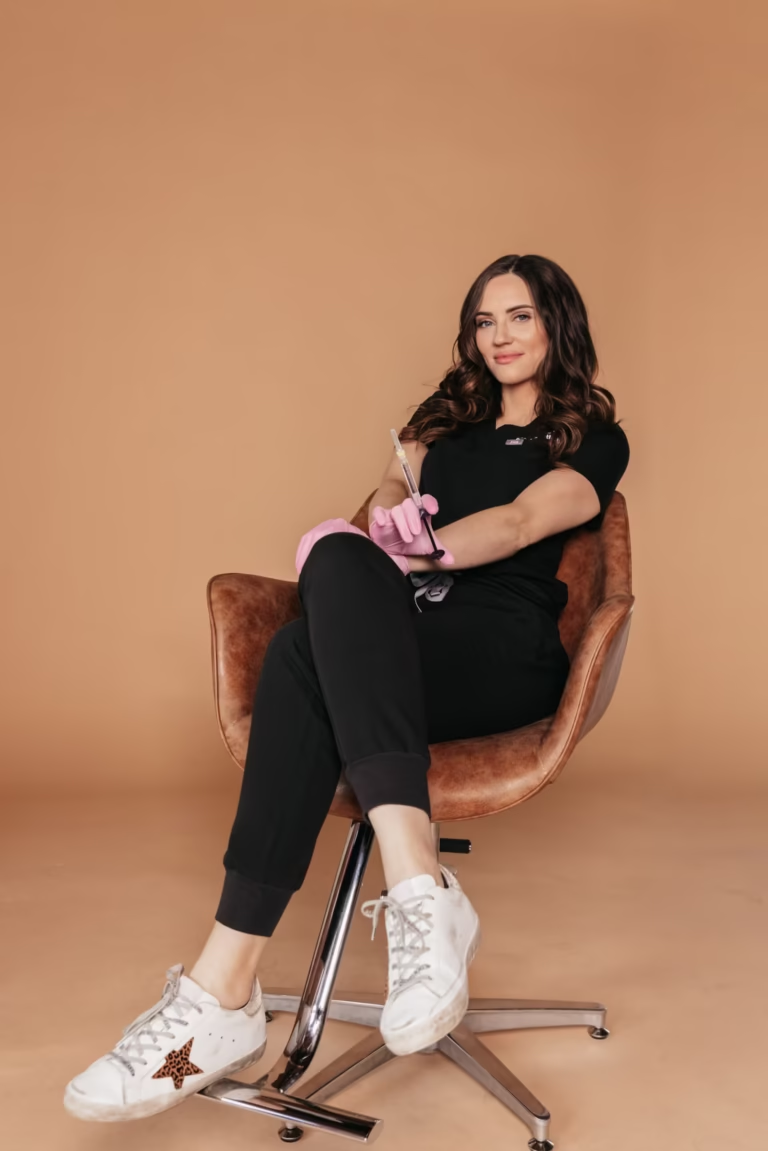
Katie Manhardt, MSN, FNP-C
Founder | Nurse Practitioner · tap for bioKatie Manhardt, MSN, FNP-C, founded KORA and is an authorized ZO Skin Health provider. As a national clinical trainer she teaches facial anatomy to other clinicians. For peels, her focus is matching the number of layers and the length of the series to the type of pigment, and building the home regimen of SPF and pigment correctors that keeps melasma and sun damage from returning between peels.
Full profile- Formulated for pigmentPrecision PlusThe manufacturer lists Precision Plus for UV-induced pigment, sun damage, melasma and post-inflammatory hyperpigmentation, and describes it as suppressing melanogenesis while speeding cell turnover.
- Suitable for every skin toneFitzpatrick types I-VIVI Peel is a chemical rather than heat-based treatment, and Precision Plus is labeled safe for Fitzpatrick types I to VI. That matters for melasma and darker skin, where heat carries more risk.
- Performed by a nurse practitionerMedical assessment firstA medium-depth peel starts with your history, medications and pigment type. Melasma needs a more cautious plan than sun spots, and the number of layers is set for your skin.
- Results you can keepA home plan includedIn Arizona, daily sun protection and the right home regimen decide how long a peel lasts. Every series comes with an SPF plan as well as the aftercare kit.
What Scottsdale says about peels at KORA
Katie is the BEST! My skin has never felt or looked better. She is truly an expert in her field and genuinely cares about her clients. Highly recommend all around."
Katie with KORA Aesthetics is amazing! She is so knowledgeable and effortlessly walked me through each step of a very needed skin care regimen. I trust her with all skin and facial needs
So professional, comfortable and natural. Katie is awesome, I will be trusting her with my skin care for life.
Good to know
More about the VI Peel
Your visit, safety and care
VI Chemical Peel in detail
The VI Peel is a medium-depth chemical peel made by VI Aesthetics. A chemical peel applies an acid solution that loosens and removes damaged surface cells so new skin replaces them. Light peels act only on the outermost layer. A medium-depth peel reaches further, so it can lift pigment and refine texture that light peels cannot, with several days of peeling instead of the weeks of healing a deep peel needs.
KORA uses the Precision Plus version. The manufacturer lists it for UV-induced pigmentation, sun damage, melasma and post-inflammatory hyperpigmentation, describes it as suppressing melanogenesis (the production of new pigment) while promoting rapid cell turnover, and labels it safe for Fitzpatrick skin types I to VI. Slowing new pigment matters, because removing existing pigment alone does not stop it coming back.
The peel is self-neutralizing. It is applied in about 30 minutes, stays on for four to five hours, and you rinse it off at home. Skin feels tight for two days, peeling starts around day three and usually ends by day seven. Most pigment needs three to six peels, four weeks apart, then two to three maintenance peels a year.
- Treats
- Sun spots, melasma, post-inflammatory hyperpigmentation, post-acne marks, uneven tone, dullness, fine surface lines, mild congestion
- Peeling
- Starts around day 3, finished by day 5-7
- Series
- 3-6 peels, 4 weeks apart; maintenance 2-3 times a year
- Skin tones
- Labeled safe for Fitzpatrick types I-VI
“With pigment, the peel is half the treatment. Daily SPF and the right home regimen are the other half.”
Katie Manhardt, MSN, FNP-C, Founder
What a VI Peel treats
Nine concerns with typical peel counts, from sun spots and melasma to post-acne marks, and where deep wrinkles or indented scars need another treatment.
A VI Peel works on color and on the skin surface. Here is what responds, roughly how many peels it takes, and where another treatment fits better.
VI Peel for melasma
4-6 peels, then maintenanceSymmetrical brown patches on the cheeks, forehead and upper lip, driven by hormones and worsened by UV, visible light and heat. Precision Plus is formulated to slow pigment production as well as lift pigment, but melasma is chronic and is managed rather than cured.
Sun spots and sun damage
3-4 peelsDiscrete brown spots (solar lentigines) and freckling from years of UV exposure. These often fade within a short series, and daily SPF keeps new ones from forming.
Post-acne marks
3-4 peelsBrown or red marks left after blemishes heal (post-inflammatory hyperpigmentation). They are color, not scarring, so they respond to peeling. Indented acne scars respond to microneedling instead.
Uneven tone
3 peelsBlotchy, mottled tone that makes skin look tired however well you sleep. A more even tone is usually the first visible change after a peel.
Dullness
2-3 peelsCell turnover slows with age and sun exposure, and the surface stops reflecting light evenly. A peel removes that layer, and brightness shows within about a week.
Congestion and mild acne
3-4 peelsPeeling helps clear blocked pores and blackheads. Active inflammatory or cystic acne should be calmed medically first, then peeled.
Fine lines and texture
4 peelsSurface lines and rough texture soften as the outer layers renew. Lines caused by movement respond to Botox or Dysport; deeper texture and scars respond to microneedling.
Neck, chest and hands
4-6 peelsAreas that show Arizona sun early and often go untreated. They heal more slowly than the face, so peels are spaced further apart. Ask us about pricing for areas other than the face.
Deep wrinkles and acne scars
Another treatment fitsLines that stay at complete rest and indented scars are structural problems. Filler, Sculptra or microneedling suit these better than a peel, and your consultation will say which.
Your appointment and peeling timeline
The peel takes about 30 minutes and stays on for four to five hours, and peeling runs from about day three to day seven.
- 01Skin assessment
Your nurse practitioner identifies the type of pigment (melasma, sun spots and post-acne marks behave differently), notes your skin type and reviews medications, allergies and history.
- 02Cleanse and degrease
The skin is cleansed and degreased so the solution penetrates evenly across the face.
- 03Application in layers
The peel is applied in layers with checks between each. Tingling and warmth last a few minutes; a handheld fan helps.
- 04Home with the peel on
The peel is self-neutralizing and stays on for four to five hours. You leave with a slight tint and can go about a quiet evening.
- 05Rinse and start the kit
You rinse at home that evening and start the post-peel kit. Before you leave, you get written instructions for the next seven days, including what to expect on day three.
Melasma, skin tone, peel depth and who should wait
Why melasma is managed rather than cured, why Precision Plus suits skin types I to VI, where a medium-depth peel sits, and when to wait.
Managed over time, not cured
Melasma is a chronic pigment condition driven by hormones and triggered by UV, visible light and heat, so it is managed rather than cured. A Precision Plus series lifts existing pigment and is formulated to slow new pigment. What keeps it away is daily tinted mineral sunscreen (the iron oxides in tinted formulas also block visible light), a home regimen with pigment correctors such as hydroquinone, tranexamic acid or azelaic acid where appropriate, and avoiding heat, which takes planning in Arizona. Expect some return in summer and plan maintenance peels around it.
- Precision Plus formulated to slow new pigment
- Tinted mineral SPF blocks UV and visible light
- Maintenance peels 2-3 times a year
Labeled safe for skin types I to VI
For pigment in darker skin, heat-based treatments such as IPL and some lasers carry a higher risk of post-inflammatory hyperpigmentation, and heat itself can worsen melasma. VI Peel is a chemical rather than thermal treatment, and the manufacturer labels Precision Plus safe for Fitzpatrick types I to VI. Darker skin is still assessed carefully: the number of layers is adjusted, sun and heat are avoided during healing, and peeling skin must never be pulled. If a laser would suit your pigment better, your consultation will say so.
- No heat, so no thermal melasma trigger
- Labeled for Fitzpatrick types I-VI
- Layers adjusted to your skin
When to wait, and why
Postpone a VI Peel if you have a sunburn, a fresh tan, an active cold sore or skin infection, or broken skin in the area. Wait six months after isotretinoin. Tell us if you are allergic to aspirin or salicylates, have a history of keloids or poor healing, or have had recent waxing or a facial procedure. Because there is not enough safety data, the usual advice is to wait until after pregnancy and breastfeeding, so tell us if you are pregnant, trying to conceive or nursing. If you get cold sores, a peel can trigger one, and antiviral medicine may be started beforehand.
- Six months after isotretinoin
- No sunburn or fresh tan
- Tell us about an aspirin or salicylate allergy
- Wait until after pregnancy and breastfeeding
Peel, microneedling, skincare or laser for pigment?
A peel treats color, microneedling treats texture, skincare maintains the result, and lasers need caution because heat can worsen melasma.
Preparation and aftercare
Stop retinoids and acids five to seven days before, then leave the peel on four to five hours, moisturize, use SPF and never pull peeling skin.
Before your VI Peel
- Stop retinoids, glycolic and salicylic acids, benzoyl peroxide and scrubs 5 to 7 days before.
- Avoid sun and self-tanner for two weeks. Skin must be free of sunburn or a fresh tan; if you have one, wait until it has faded.
- No waxing, threading, depilatory creams or laser on the area for one week.
- Tell us if you get cold sores. A peel can trigger an outbreak, and antiviral medicine may be started beforehand.
- Tell us if you have taken isotretinoin in the last six months, or have an aspirin or salicylate allergy.
- Plan the week: peeling on days three to five is visible, so book at least two weeks before an event.
- Tell us if you are pregnant, trying to conceive or breastfeeding. Because there is not enough safety data, the usual advice is to wait until after pregnancy and breastfeeding.
VI Peel aftercare
- Leave the peel on for four to five hours, then rinse with cool water and follow the kit instructions.
- On days one and two skin feels tight and may look slightly darker, with no peeling yet. This is expected.
- Let peeling skin come off on its own. Pulling, picking or scrubbing can cause pigment changes and scarring.
- Moisturize often; comfortable skin peels more evenly.
- Use mineral SPF 30 or higher daily, reapplied, and stay out of direct sun until peeling is over. A tinted formula adds visible-light protection for melasma.
- Skip exercise, sauna, steam, hot tubs and hot yoga for 48 hours. Heat and sweat irritate healing skin and can trigger melasma.
- Restart retinoids and acids only after peeling has fully finished, usually around day seven.
- Contact us right away for blistering, spreading redness, heat, pus or fever. If you cannot reach us, go to urgent care or an emergency department.
You get blistering, spreading redness, heat, pus or a fever, or peeling continues well past a week. These are uncommon and should be assessed promptly; if you cannot reach us, go to urgent care or an emergency department.
VI Chemical Peel questions
What is a VI Peel?
A VI Peel is a medium-depth chemical peel made by VI Aesthetics. It removes damaged surface cells to treat pigment, sun damage and uneven tone, with peeling from about day three to seven. KORA uses Precision Plus, formulated for melasma and sun-related pigment and labels safe for skin types I to VI.
How much does a VI Peel cost in Scottsdale?
A VI Peel Precision Plus is $349 per peel at KORA in Scottsdale, with the post-peel aftercare kit included. Most pigment needs three to six peels, four weeks apart, so a full series costs three to six times that. The consultation that sets your series is complimentary.
How many VI Peels do I need?
Sun spots and post-acne marks usually need three to four peels; melasma usually needs four to six, then two to three maintenance peels a year. Peels are four weeks apart so the skin fully renews between them. Your consultation sets the number for your pigment type.
Does a VI Peel hurt?
A VI Peel is uncomfortable for a few minutes rather than painful for long. Expect tingling, stinging and warmth for about three to five minutes during application, which then settles. A handheld fan helps. There are no needles, and numbing is not needed.
How long does peeling last after a VI Peel?
Peeling lasts about three to five days. Skin feels tight and may look slightly darker on days one and two, then peeling starts around day three, usually near the mouth and nose, and ends by day five to seven. It is fine flaking, not large sheets.
Can I wear makeup after a VI Peel?
Yes, from day two, though it can cling to flaking areas. Mineral makeup over a moisturizer and mineral SPF is the gentlest option. Avoid makeup wipes and exfoliating cleansers until peeling has finished, and remove makeup with a gentle cleanser and your fingertips.
When will I see results from a VI Peel?
You will see brighter, more even skin within about a week, once peeling finishes; the manufacturer describes results within seven days. Pigment fades further with each peel in a series. Judge melasma after the full series, not after one peel.
Is the VI Peel good for melasma?
Yes. VI Peel Precision Plus is formulated for melasma: it lifts existing pigment and is designed to slow new pigment production. Melasma is chronic, so the realistic goal is control: four to six peels, daily tinted mineral SPF, a home regimen with pigment correctors, and two to three maintenance peels a year.
What is the best treatment for melasma on the face?
No single treatment is best; melasma responds to a combination. Common first-line steps are daily tinted mineral sunscreen, a pigment corrector such as hydroquinone, tranexamic acid or azelaic acid, and a peel series such as VI Peel Precision Plus. Lasers and IPL need caution, because heat can make melasma return darker.
Is a chemical peel or a laser better for pigmentation?
It depends on the pigment. Discrete sun spots can respond well to either. For melasma, heat is a trigger and some lasers and IPL can make it return darker, so a peel series is usually the safer first approach, especially in darker skin. Your consultation will say if a laser suits you better.
Is a VI Peel safe for darker skin tones?
Yes. The manufacturer labels VI Peel Precision Plus safe for Fitzpatrick skin types I to VI, and as a chemical rather than heat-based treatment it avoids the thermal trigger that can worsen pigment in darker skin. Darker skin is still treated carefully, with sun avoidance during healing and no pulling of peeling skin.
What are the side effects of a VI Peel?
Expect tightness, temporary darkening and peeling for about a week. Less common are prolonged redness, a cold sore flare in people who get them, irritation or an allergic reaction, and post-inflammatory darkening, mostly when peeling skin is picked or exposed to sun too early. Infection and scarring are rare.
Who should not have a VI Peel?
Wait if you took isotretinoin in the last six months, or have a sunburn, a fresh tan, an active cold sore or a skin infection. Tell us about an aspirin or salicylate allergy, keloid scarring or poor wound healing. Because there is not enough safety data, the usual advice is to wait until after pregnancy and breastfeeding.
Can I get a chemical peel after Botox?
Yes, with a gap. A common approach is to wait about two weeks after Botox, Dysport or filler before a peel on the same area, so the injectable has settled and any swelling has gone. The two are usually spaced apart rather than done on the same day; ask us how to schedule both.
Should I choose a VI Peel or microneedling?
Choose by concern: a VI Peel treats color, microneedling treats texture. Brown patches, sun damage and uneven tone suit a peel; indented acne scars, enlarged pores and rough texture suit microneedling. Many people alternate the two a few weeks apart, so the skin has fully healed before the next treatment.
Will my pigmentation come back?
It can. Arizona UV, visible light and heat keep stimulating pigment, and melasma is chronic. Daily tinted mineral SPF, reapplied, a home regimen with pigment correctors and two to three maintenance peels a year keep it under control. Sun spots that fade stay faded, but new ones form without protection.
Do you treat patients from Paradise Valley?
Yes. KORA is on 69th Street just south of Shea Boulevard, inside Scottsdale and a few hundred yards from the Paradise Valley town line, so most of Paradise Valley is a 5 to 10 minute drive. The practice also serves North Scottsdale, Arcadia, Phoenix, Cave Creek and Fountain Hills.
Where in Scottsdale is KORA Aesthetics?
KORA Aesthetics is at 10505 N 69th St, Suite 1300, Scottsdale, AZ 85253, on 69th Street just south of Shea Boulevard, with free private parking. The practice is appointment only. Book a complimentary consultation online or call (480) 630-7566.
Explore more
Treatments that pair with a VI Peel
A peel treats color. These treatments cover texture, volume and movement, and skincare maintains the result in this climate. Leave about two weeks between a peel and injectables in the same area.
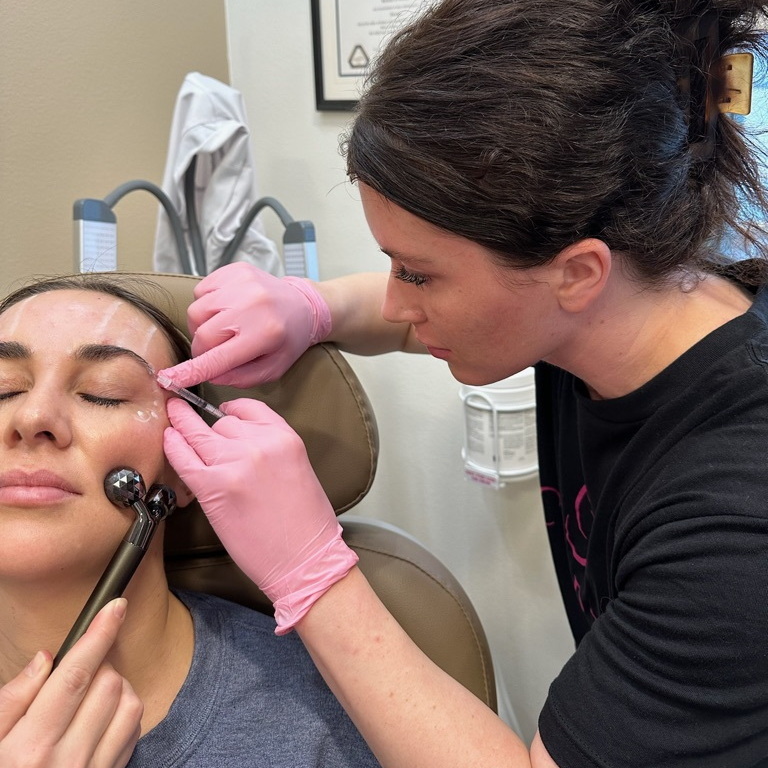
Botox
Botox in Scottsdale at KORA Aesthetics — $13.50 per unit, injected by a board-certified nurse practitioner and national clinical trainer. Forehead lines,…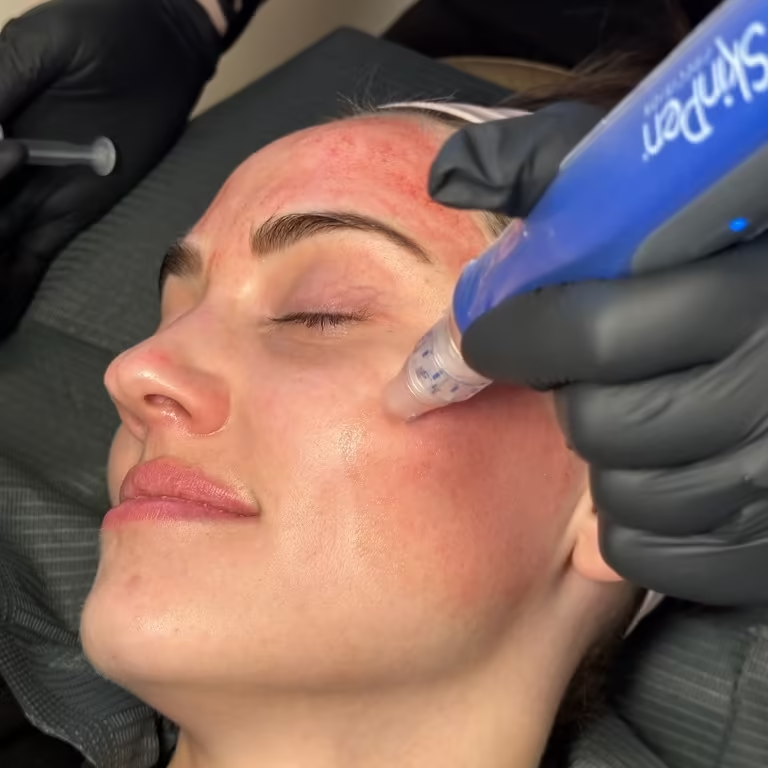
SkinPen PRF Microneedling
Treats texture and acne scars, which a peel does not; alternate a few weeks apart
Medical Grade Skincare
Medical-grade skincare in Scottsdale at KORA Aesthetics — ZO Skin Health and Skinbetter Science, prescribed to your skin by a nurse practitioner…Book your skin consultation
Thirty minutes, a plan for your pigment
A pigment assessment with a nurse practitioner, the number of peels your skin needs and the series total, and the home regimen and SPF plan that keep results through an Arizona summer.
The clinic
Chemical peels for Scottsdale, Paradise Valley and nearby
KORA Aesthetics10505 N 69th St, Suite 1300, Scottsdale, AZ 85253
KORA is on 69th Street just south of Shea Boulevard, inside Scottsdale and a few hundred yards from the Paradise Valley town line. Patients come from across the Valley.
- Paradise Valley5-10 minutes drive
- Arcadia12-18 minutes drive
- North Scottsdale10-20 minutes drive
- Phoenix20-35 minutes drive
- Cave Creek25-35 minutes drive
- Fountain Hills18-25 minutes drive
Worried about the peeling?
It is fine flaking on days three to five, mostly around the mouth and nose. Peel on a Wednesday or Thursday and the most visible days fall on the weekend.
Considering a laser for melasma?
Lasers suit some pigment, but heat can make melasma return darker. Your consultation looks at your pigment type and recommends the approach with the least rebound risk.
Tried peels before?
Pigment comes back quickly here without daily mineral SPF and a home regimen. Bring your current routine; the plan builds on what already works.
Have a darker skin tone?
VI Peel Precision Plus is labeled safe for skin types I to VI and uses no heat. The number of layers is adjusted to your skin.
 Medically reviewed by Katie Manhardt, MSN, FNP-C, National clinical trainer and founder of KORA · Updated November 2026


